

The Kilikawi
Challenge
Advancing the Tech
The KiliKawi Challenge is an open innovation competition empowering innovators to improve our existing electric-powered agricultural tools for Africa’s smallholder farmers.
“Kilikawi”, derived from the Swahili words Kilimo (agriculture) and Kawi (energy), embodies a new vision of electrified, locally driven agricultural transformation.
Challenge
Focus Areas
Participants are invited to develop concepts addressing one or more of these focus areas:
-
Make tools like the power tiller, thresher, sheller, shaft cutter, and miller easier, safer, and more dignified to use
-
Increase locally made parts and strengthen regional production to reduce import reliance
-
Create new service models or digital tools to improve affordability, access, and maintenance
-
Design additional implements or uses for solar-powered electric tools to cover more farming tasks like planting, weeding, harvesting, or processing
Who can Participate?

→ University Students
from Kenyan institutions with relevant ideas or technical expertise
→ Startups
in the agritech or renewable energy sectors
→ Public Innovators:
engineers, designers, mechanics, or entrepreneurs with local insights
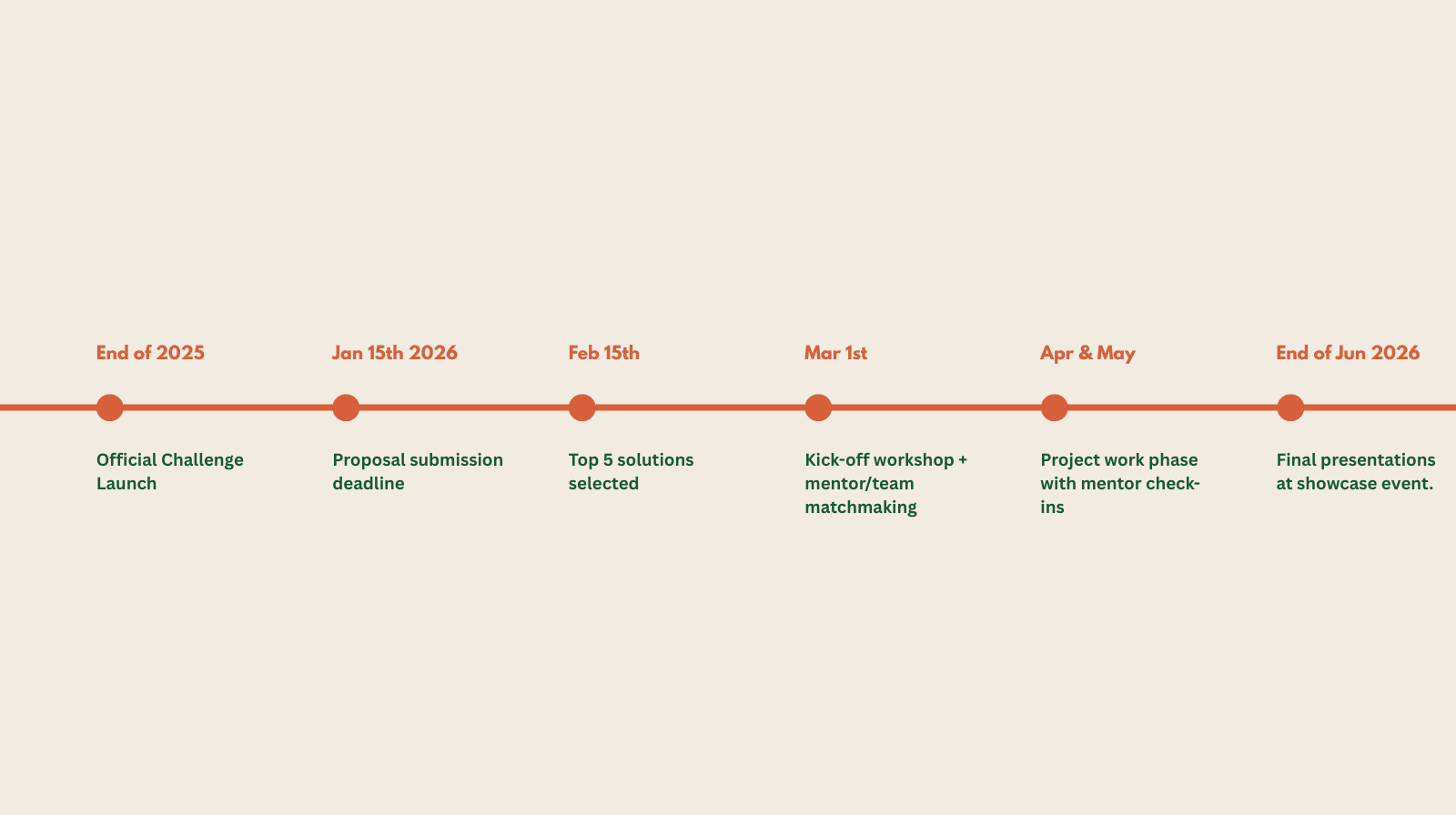
Timeline
Prizes & Opportunities
-
Full support for building a working prototype
-
Present at exhibitions and network with decision-makers.
-
Opportunity to pilot and commercialize through TMF and partners.
-
Media visibility, certificates, and possible follow-on funding.
Stay tuned
to be part of Africa’s clean energy agricultural revolution!
Le MAC Building, Church Road,
Westlands, Nairobi, Kenya
-
Across Africa, over 70% of farmers are smallholders—cultivating less than 2 hectares of land. Despite their central role in food production and rural livelihoods, most smallholder farmers lack access to appropriate mechanization. Tractors, harvesters, and diesel-powered threshers are designed for large-scale operations, making them too expensive, too energy- intensive, and too specialized for rural communities. This mismatch leads to low yields, labor-intensive processes, post-harvest losses, and
missed income opportunities. Mechanization is not just a technical fix—it is a lever for food security, climate resilience, and economic mobility. But to unlock it, we must build tools designed for the realities of smallholder life.
-
The roots of the KiliKawi platform trace back to an internal challenge within Toyota Motor Corporation, exploring how mobility and engineering expertise could solve pressing global problems. One early team tackled the issue of mechanization for African smallholders, leading to the first combustion-engine prototypes tested in Zimbabwe. These early models were promising but faced a major hurdle: fuel dependence. Diesel and petrol were expensive, logistically complex, and prone to black-market diversion. The solution? A pivot to electricity.
-
The second generation of prototypes was developed and tested in Uganda and Kenya, using battery-powered electric powertrains. These clean, quiet, and low-maintenance machines—built around a modular platform—could power implements like tillers, threshers, shellers, and choppers. Today, with the third-generation KiliKawi prototype, we’re ready to open the doors to broader innovation.
-
Unlike traditional farm equipment, the KiliKawi system is:
- Modular: One powertrain powers many implements
- Shared: Designed for community use via trained local agents
- Electric: Powered by solar-charged batteries—cheaper and cleaner
- Upgradable: A platform ready for third-party innovation
-
The Toyota Mobility Foundation (TMF) has backed the platform with funding, technical support, and strategic alignment. TMF’s mission is to use mobility to build inclusive, sustainable societies—and KiliKawi represents that vision applied to agriculture.
-
This is more than a competition. It’s a chance to work on real-world problems and see your solution brought to life.
Participants will:- Access technical briefs and real user feedback
- Prototype and test ideas with mentorship and funding
- Be part of a global community shaping rural resilience
- See winning solutions realized and deployed on the ground
-
The first KiliKawi Challenge is just the beginning. We envision a vibrant ecosystem of innovators building for and with African farmers. Your idea could drive the next breakthrough.
Apply now. Help power smallholder productivity, reduce rural drudgery, and shape a more resilient future—one tool at a time.